Every seller I meet has a list. New floors. Redo the kitchen. Finally fix that bathroom.
And my answer surprises most of them, because it is usually some version of please do not.
The direct answer
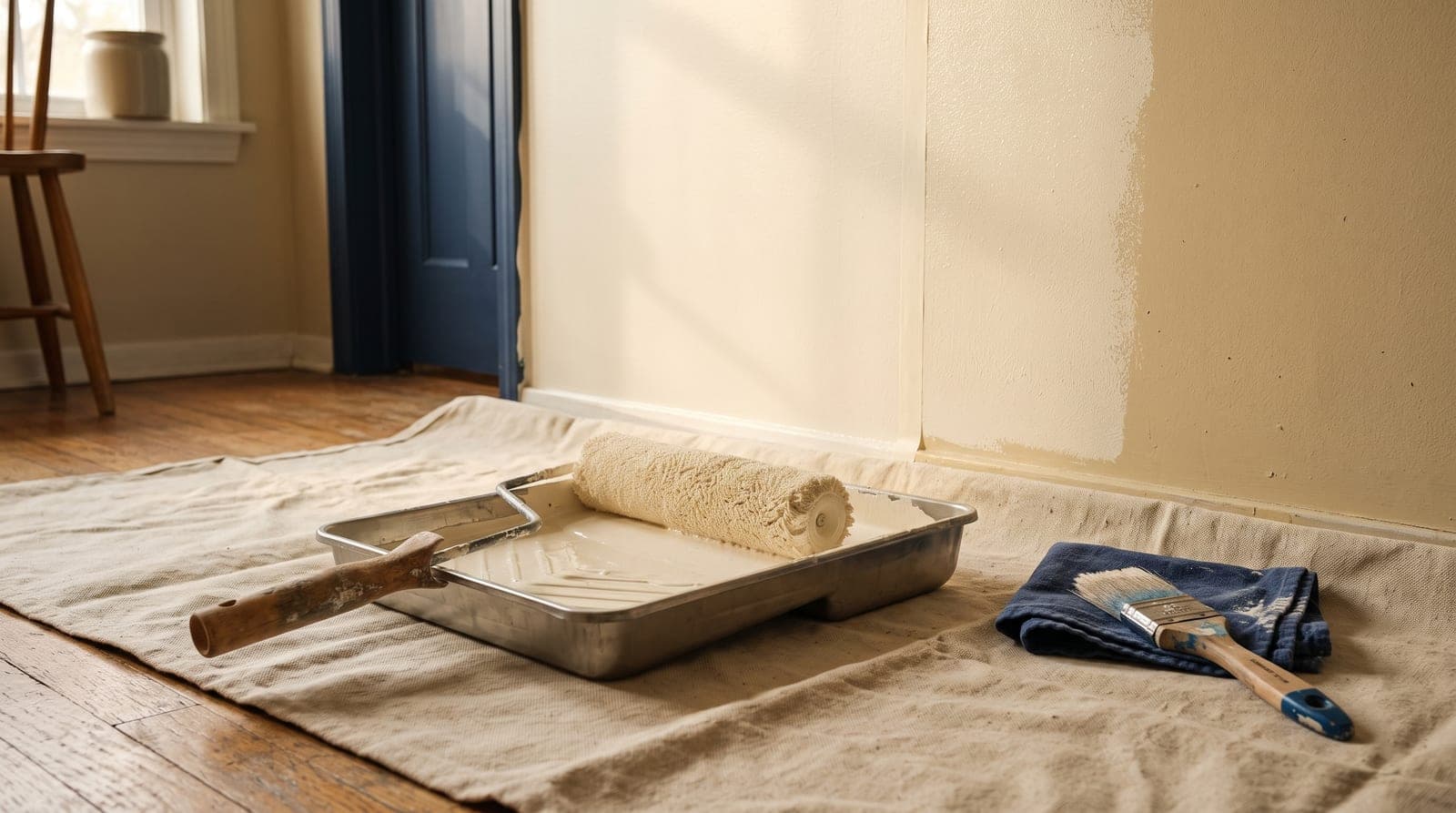
Paint and a deep clean are as close to a sure thing as this business offers. They are cheap, they touch every photograph of your home, and they work regardless of the buyer's taste.
Almost everything past that is a gamble. Not always a bad one, but a gamble, and you should know that before you spend the money.
The question that decides everything
Before you renovate anything, ask this: am I doing this for me, or for the sale?
If you want new floors because you will enjoy them, go ahead. That is your home and your money and your call.
But if you are doing it purely to sell, I usually advise against it, and here is why.
The taste problem
Say you replace the flooring with a light brown you like. It looks great to you. Now the cost of that work is baked into your asking price.
A buyer walks in and does not like the colour. They were going to change the floors anyway. Now they are looking at brand new floors they intend to rip out, and being asked to pay for them. They do not offer your asking price, because in their mind they are paying twice.
You spent the money and got nothing for it, and in some cases it actively made the negotiation harder.
Damaged floors are a different story. If they look rough, fixing them removes an objection. That is not a taste bet, that is repair.
The buyer avatar problem, which is bigger
This is the one I wish more sellers heard before they spent.
Think about who is realistically buying your home. If it is a young family or a young couple, there is a good chance they want open concept. That is what a lot of buyers are looking for right now.
So you spend serious money renovating a closed-off kitchen. Then your ideal buyer walks in, loves the house, and their very first plan is to take out the wall between the kitchen and the living room.
You just paid for a kitchen they are going to demolish. Worse, they almost wish you had not done it, because then the price would have been lower and they could have built the kitchen they actually wanted.
Kitchens are the most expensive room to get wrong. Think carefully about who is buying before you touch one.
Renovations are all-or-nothing to most buyers
Here is a pattern I see constantly. Buyers tend to sort into two camps. Some are happy to take on a lot of work. Others want to do nothing at all.
Very few are excited about a house that needs a moderate amount of work. If something is minor, plenty of buyers are fine getting to it in five years. But if a home needs immediate work, a lot of buyers get shy about it entirely.
There is also a trap in doing just one room beautifully. A brand new bathroom can make every other room look dated by comparison, which is the opposite of what you paid for.
What I would actually spend money on
In rough order of how reliably it pays back:
- Paint. The best return available. Neutral, clean, and consistent.
- A deep clean. Including windows, grout, and inside the appliances.
- Decluttering and removing excess furniture. Free, and it makes rooms feel bigger. More on that in my post on whether you actually need to stage.
- Small obvious fixes. The dripping tap, the broken handle, the burnt out bulbs, the door that sticks. Individually trivial, collectively they signal a home that has been looked after.
- Curb appeal. Cut the grass, edge the beds, clear the junk, tidy the backyard. It is the first thing a buyer sees and one of the cheapest things to fix.
That is a modest list, and it is genuinely most of the available upside.
What I would think hard about
- Kitchens, for all the reasons above.
- Full bathroom gut jobs, for the same reasons.
- Flooring purely for colour.
- Anything that pushes your home well above the finish level of your neighbourhood. There is a ceiling on what a street will support, and you do not get paid for going past it.
One thing worth doing that costs nothing
Tell your agent about every issue you know of, up front.
I ask this of every seller. Not to scare anyone off, but because in this market buyers are almost always doing their own inspection. Whatever is there tends to surface eventually, and it is far better to deal with it deliberately at the start than to be surprised by it during a conditional period, when the buyer holds all the leverage.
The takeaway
Paint it, clean it, declutter it, and fix the small stuff. That is where the reliable money is.
Beyond that, do the work because you want to live with it, not because you assume a buyer will pay you back for it. And before you touch a kitchen, think hard about who is actually buying your house and what they plan to do to it.
If you want a straight opinion on what is worth doing in your specific home before you list it, walk me through it. I would rather save you twenty thousand dollars than watch you spend it on something a buyer was going to change anyway.